
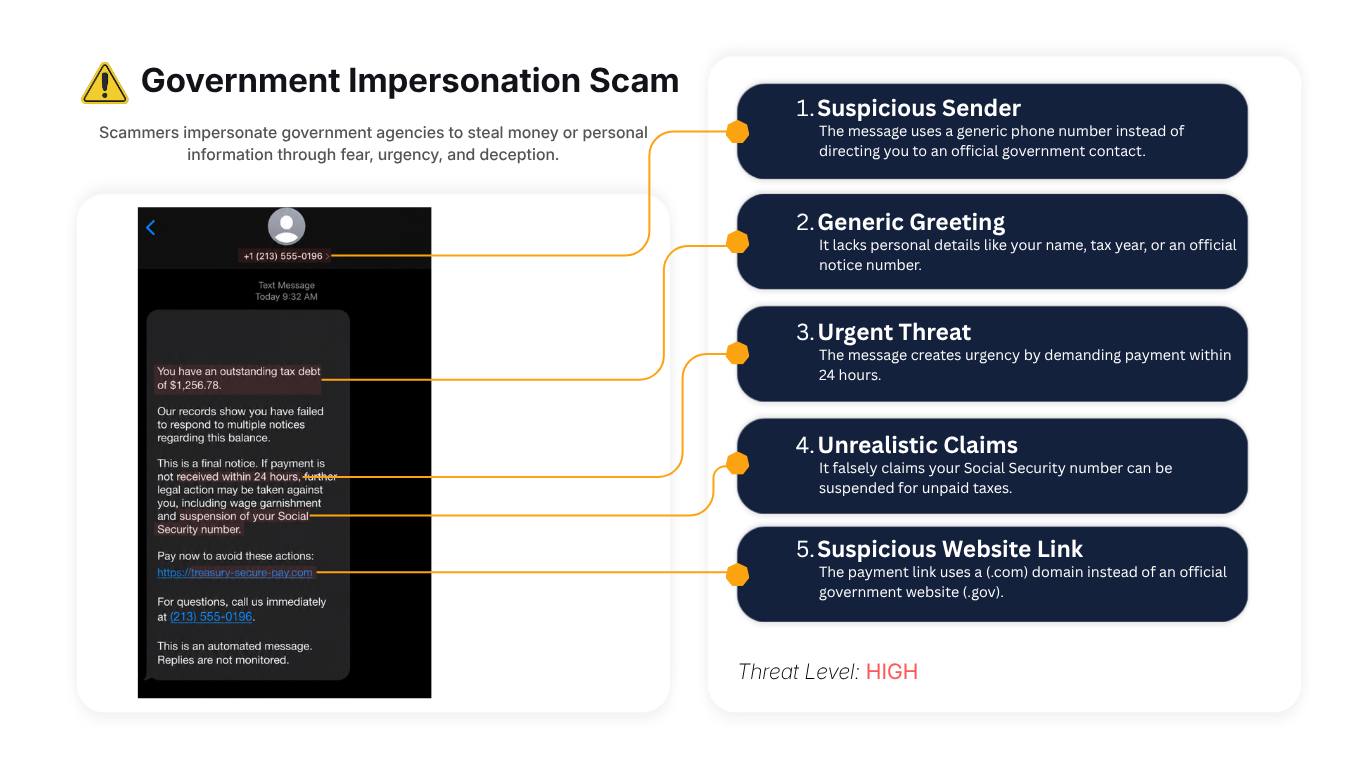
Example of a government impersonation scam

What Are Government Impersonation Scams?

Government impersonation scams occur when criminals pretend to represent government agencies, law enforcement, courts, or other public institutions to steal money or personal information.


Scammers may claim that you:

  • Owe taxes, fines, or other government fees
  • Have an outstanding warrant or are under investigation
  • Must verify your identity to protect your benefits or accounts
  • Need to make an urgent payment to avoid legal consequences


These messages are designed to create fear and urgency so that you act before verifying whether the claim is real.

Legitimate Example

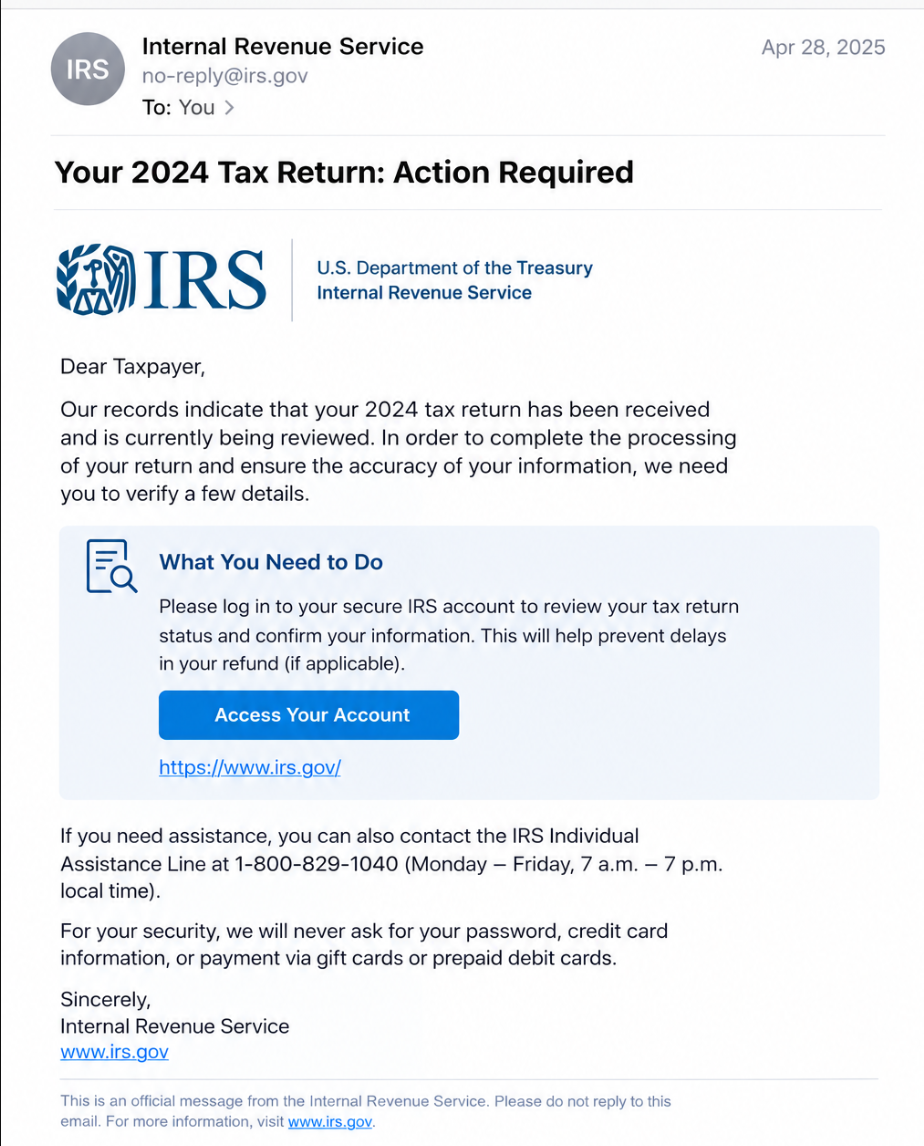
Example of a legitimate government notification

A legitimate government notice provides information that can be independently verified. You can visit the agency's official website or contact it using a phone number you find yourself.


Remember: verify unexpected notices independently before paying money or sharing personal information.

Scam Example

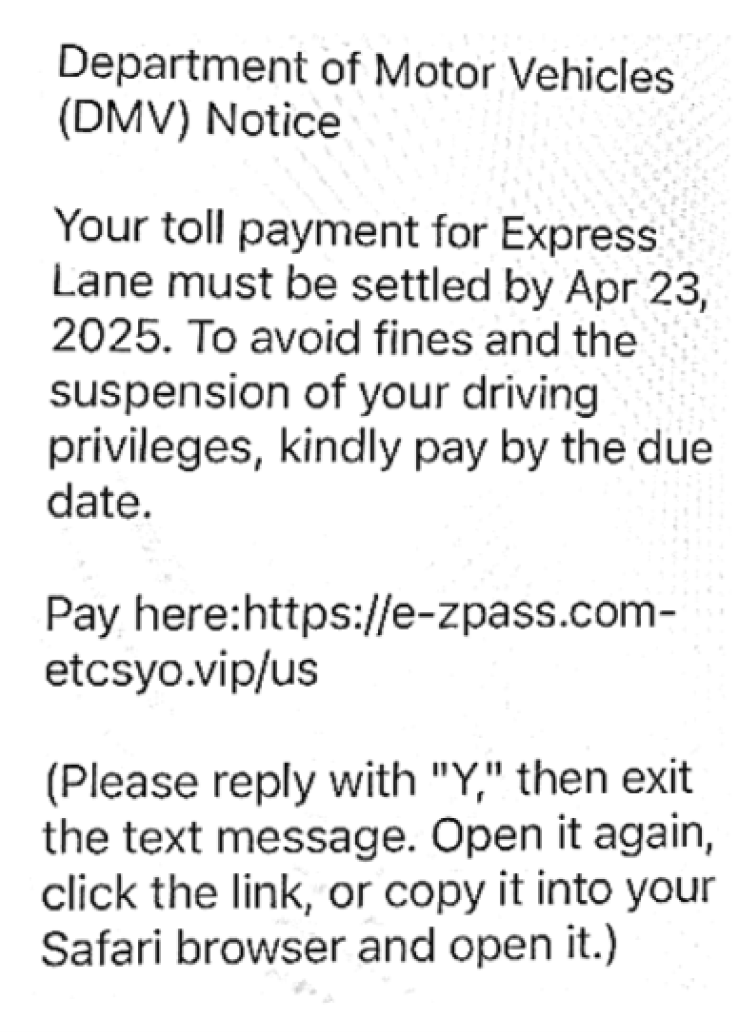
Example of a fraudulent message impersonating a government agency

A scammer may claim that a warrant has been issued or that you owe an urgent fine. They may threaten arrest unless you immediately pay through gift cards, cryptocurrency, or a money transfer.


Remember: do not trust a message simply because it uses official logos, names, or case numbers.

How Government Impersonation Scams Work

Scammers imitate government agencies to make false demands appear official. They use fear and pressure to persuade people to send money or reveal sensitive information.


1. An Unexpected Contact

You receive a phone call, text, email, or letter from someone claiming to represent a government agency, police department, or court.

2. A Threat or Urgent Problem

The person claims you owe money, have violated a law, or must resolve an issue immediately. They may threaten arrest, fines, or the loss of benefits.

3. A Demand for Money or Information

The scammer asks for payment, banking details, identity information, passwords, or verification codes. They may direct you to a fake website.

4. The Scam Continues

After receiving money or information, the scammer may disappear or invent additional fees. Stolen information may also be used for identity theft or further fraud.

Common Scenarios

Government impersonation scams may involve:


  • Fake tax bills or demands for unpaid fees
  • Fraudulent police, court, or arrest-warrant claims
  • Messages about suspended benefits or identity problems
  • Fake government grants, refunds, or compensation offers

Common Targets

Anyone can be targeted. Scammers may exploit people who:


  • Are worried about legal or financial consequences
  • Are unfamiliar with a government agency's procedures
  • Are waiting for benefits, refunds, or official documents
  • Feel pressured to resolve a problem quickly

Scammers can tailor their stories to people of any age or background.

What To Do

If someone claims to be a government official and the request seems suspicious:


  • Stop the conversation before sending money or information
  • Contact the agency using independently verified details
  • Report suspected fraud at ReportFraud.ftc.gov
Warning Signs / Red Flags
  • Threats of arrest: The caller claims you will be arrested or prosecuted unless you immediately pay or provide information.
  • Unusual payment methods: You are told to pay a supposed tax bill, fine, or legal fee with gift cards, cryptocurrency, or another unusual method.
  • Extreme urgency: The message says you must act immediately and will face serious consequences if you take time to verify the claim.
  • Requests for sensitive information: Someone asks for passwords, banking credentials, Social Security information, or one-time verification codes.
  • Instructions to keep secrets: The person tells you not to speak with family, your bank, a lawyer, or another official.
  • Suspicious links or contact details: A message contains an unfamiliar website address or asks you to call a number you cannot independently verify.
  • Claims that sound too good to be true: You are promised a government grant, prize, or payment but must first pay a fee or disclose sensitive information.
How to Stay Safe
  • Verify the agency independently: Find the agency's official website or phone number yourself. Do not rely only on links or numbers in an unexpected message.
  • Do not pay under pressure: Pause and confirm whether the debt, fine, or request is legitimate before sending money.
  • Reject unusual payment demands: Do not pay supposed government fees with gift cards or cryptocurrency because a caller demands it.
  • Protect your information: Never disclose passwords or one-time security codes to an unexpected caller. Avoid entering sensitive information on unverified websites.
  • Be cautious of caller ID: Phone numbers and sender information can be spoofed to look official.
  • Ask someone you trust: If a message frightens or confuses you, take time to discuss it with a trusted person before acting.
  • Use official government websites: Many U.S. federal government websites use the .gov domain, but still check the complete web address carefully.
What To Do If You've Been Scammed
  1. Stop communicating and sending money. Do not follow further instructions or pay additional fees, even if the scammer claims they can resolve the problem.
  2. Contact your bank or payment provider. If you sent money or disclosed financial information, explain what happened and ask whether the transaction can be stopped, reversed, or disputed.
  3. Secure your accounts. Change exposed passwords, enable multifactor authentication, and contact the relevant institution if you shared account credentials or verification codes.
  4. Protect your identity. If you shared sensitive identity information, visit IdentityTheft.gov for recovery guidance.
  5. Report the scam. Submit a report to the Federal Trade Commission. For online fraud, you can also report it to the FBI's Internet Crime Complaint Center.
  6. Keep evidence. Save messages, emails, phone numbers, website addresses, receipts, and transaction records.

If the scammer claimed to represent a particular agency, contact that agency through its official website to report the impersonation.

Quick Checklist

Frequently Asked Questions

Do government agencies ever contact people by phone or email?

Yes. Government agencies may use phone calls, letters, emails, or other methods for legitimate communications. However, an unexpected contact should not automatically be trusted. Verify the agency and the specific request through contact information you find independently.

Will a government official demand gift cards to avoid arrest?

A demand to pay a supposed government debt or avoid arrest with gift cards is a strong warning sign of a scam. Do not provide gift card codes or send money. Contact the relevant agency through an independently verified channel if you are concerned about a real obligation.

Can scammers make their phone number look official?

Yes. Caller ID can be spoofed, so a call may appear to come from a government office even when it does not. End the call and contact the agency using a phone number published on its official website.

What if the caller knows my name or other personal details?

Knowing your name, address, or other personal details does not prove that a caller is legitimate. Such information may be obtained from public records, data breaches, or other sources. Verify the claim independently before sharing anything further.

What if I already sent money to a government impersonator?

Contact your bank or payment provider immediately and ask whether the payment can be stopped, reversed, or disputed. Save any evidence and report the incident. Be cautious of people who promise to recover your money for an upfront fee.

How can ScamShield help me check a suspicious government message?

ScamShield's Message Checker can analyze a suspicious message and identify potential warning signs. Use the result as a helpful assessment, not a guarantee. Independently verify important government-related claims before taking action.

Don't wait until it happens to you.

Start Checking Messages